
Sedation Dentist – Hillsboro, OR
Feel At-Ease in the
Treatment Chair

If you feel anxious, nervous, or scared about visiting the dentist, know that you’re not alone. Millions of adults in the nation have dental phobia, which prevents them from receiving the treatments they need to keep their smiles healthy. At Wolfe Dental Hillsboro, we aim to make everyone that walks through our doors feel comfortable and at-home. One of the ways that we’re able to do this for our patients who suffer from this condition is by offering sedation dentistry in Hillsboro.
Why Choose Wolfe Dental Hillsboro for Sedation Dentistry?
-
Two Different
Sedation
Methods -
Great for
Patients with
Sensitive Gag Reflexes -
In-Network with
Several Dental
Insurance Providers
Oral Conscious Sedation

Dental anxiety can get rather intense at times. Patients need more than just a mild sedative in those cases. That said, you could try our office’s oral conscious sedation. It uses a pill to relax your body greatly for treatment. So, this option lets patients with strong dental fears get crucial care. Our team is happy to tell you more if you’d like. For extra details, keep reading or call us in the coming days.
What is Oral Conscious Sedation?
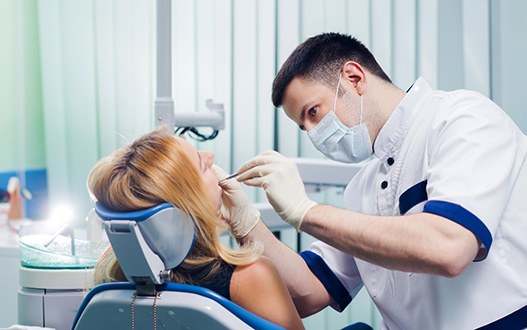
Oral conscious sedation is a way to ease strong dental fears. To be specific, it uses a potent sedative to calm a patient for their treatment. This medicine’s effects are more intense than those of nitrous oxide. As such, it’s suited for those with severe anxiety, fear, or discomfort.
Oral conscious sedation is applied via pill, not a face mask. You take this medicine just before your visit or right when you arrive. Once ingested, it’ll relieve your anxiety in fifteen minutes or less.
How Does Oral Conscious Sedation Work?
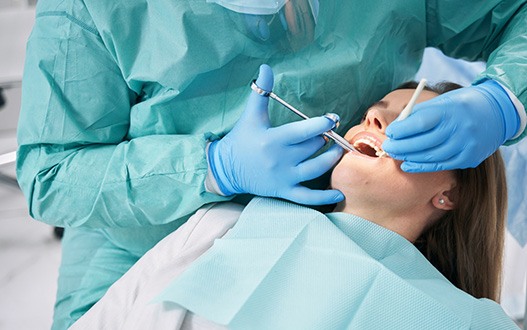
It doesn’t take much to implement oral conscious sedation. This service relies on few resources and lacks a big setup. All in all, many dentists view it as an easy form of sedation dentistry.
As was said before, oral conscious sedation works through a pill. Its main effect is a high level of calm and relaxation. (At times, patients will feel so relaxed that they don’t recall the visit afterward.) When this intense comfort takes hold, our dentists proceed with your treatment. They’ll also monitor your body’s responses to ensure your safety.
Oral conscious sedation won’t cause you to fall asleep while we work. Instead, it should leave you alert enough to respond to dentist instructions. Still, you’ll likely feel a bit dizzy after your treatment. It’s thus crucial to have someone drive you home from the visit. Your pill’s effects can take hours to fade.
Are You a Good Candidate for Oral Conscious Sedation?

Most dental patients can qualify for oral conscious sedation, assuming they’re adults. The service’s only real requirement is that you have decent health. If you meet that criteria, you can receive this option without any problems.
All that said, this sedation does help some patients more than others. Its ideal candidates usually have one (or more) of the following:
- A habit of rescheduling dental visits due to unease
- Strong dental fear, anxiety, or nervousness
- A need for many dental procedures or one long treatment
- An overly sensitive gag reflex
- An inability to keep the mouth open during treatment
- Bad reaction to local anesthesia
- Poor prior dental experiences
To fully confirm your candidacy, consult our office’s dentists. They’ll assess your medical history to see if oral conscious sedation can help.
Nitrous Oxide Sedation
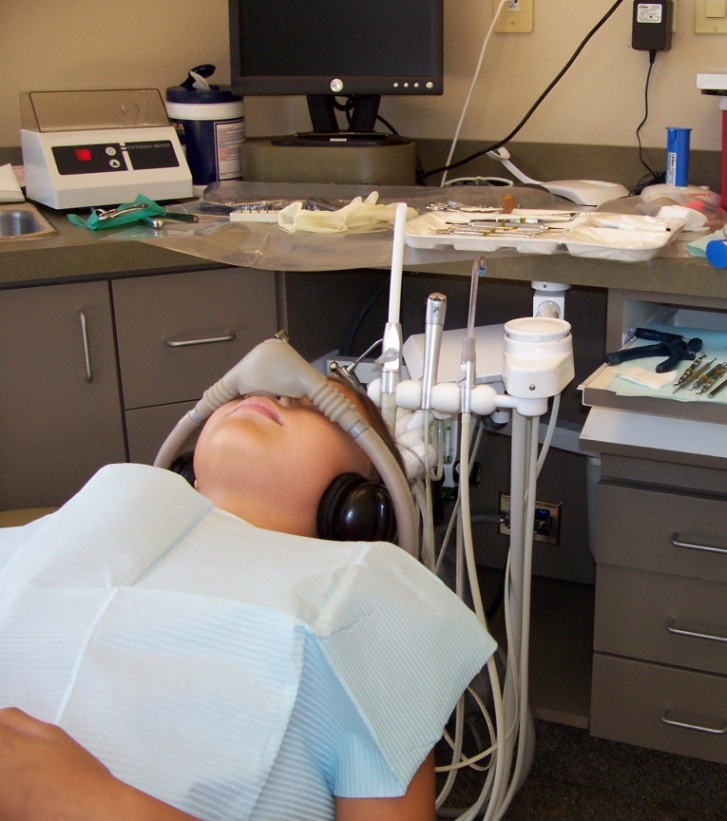
Does your child struggle with a fear of the dentist? Maybe you need extensive dental care in order to get your oral health back on track, like multiple tooth extractions. In both cases, nitrous oxide may be helpful! This calming solution has been used for decades. In fact, there’s a good chance that you’ve heard it referred to as something else: nitrous oxide. If you are interested in learning more about it, read on or call our office to speak with a friendly member of our team.
Who is a Good Candidate for Nitrous Oxide?

Dental nitrous oxide in Hillsboro is often helpful for patients who:
- Struggle with a fear of needles
- Need extensive dental care, like a root canal
- Experience dental-related anxiety
- Have a sensitive gag reflex
- Experience head/neck/jaw pain in the treatment chair
If one or more of these apply, then don’t hesitate to ask us about sedation dentistry! From there, we will review your medical history, learn about any allergies you have, and determine if you’re a good candidate. If you are, then we will answer any questions you have before adding it to your treatment plan.
How Does Nitrous Oxide Work?

Nitrous oxide is a fast-acting form of sedation that we administer when you arrive at our office. First, a friendly member of our team will take you to your treatment room and help you settle comfortably into the chair. Then, they will place a small mask over your nose that will allow you to breathe in a colorless, odorless gas. Within about three minutes, you’ll feel the full effects of the nitrous oxide, which many patients describe as “tingling” and “euphoric.”
Important reminder: Nitrous oxide sedation does not put you to sleep. However, you may feel so relaxed that you doze off in the treatment chair. If that happens, we will either allow you to rest or gently wake you.
Aftercare for Nitrous Oxide

After your treatment is complete, we’ll let you know and remove the mask. Almost immediately, the effects will quickly wear off. As a result, you don’t need to arrange for someone to drive you home. Instead, you can carry on with your day as you normally would. Just make sure that you follow any aftercare instructions we give you pertaining to the preventive, restorative, or cosmetic dentistry that we provided, like sticking to soft foods for the next 24 hours.
Sedation Dentistry FAQs
Is sedation dentistry safe?
For the vast majority of patients, sedation dentistry is completely safe for patients young and old. Nitrous oxide in particular is the safest option, as most patients can handle it without a hitch. Before administering sedation, though, our dentists will review your medical history and current medications just to be sure there is no risk of negative interactions. In addition, we will closely monitor your vitals at all times throughout your procedure. You can be sure that you’ll be in good hands every step of the way!
Am I a good candidate for sedation dentistry?
While sedation dentistry is ideal for nervous or anxious patients, it has several other uses. For example, sedation reduces the brain’s ability to register pain, so we may recommend it for patients with low pain tolerances or sensitive teeth. It also reduces the gag reflex, allowing patients who gag easily to undergo the dental treatment they need. Additionally, dental sedation can help patients who have difficulties sitting still or holding their mouth open for extended periods of time.
Patients with certain medical conditions, including pregnancy, or who are taking certain medications might not be good candidates for sedation dentistry. That’s why we’ll thoroughly go over multiple factors to be sure that sedation is right for you.
Will I remember anything with dental sedation?
Even though you’ll technically stay awake while under the effects of nitrous oxide and oral conscious sedation, your memories of your procedure will probably be fuzzy. Oral conscious sedation has a stronger effect, making you more likely to experience memory loss than with nitrous oxide. The good news is that this amnesiac effect makes dental care significantly easier for patients with extremely anxiety, fear, or negative dental experiences in the past.
How long does dental sedation last?
Different types of sedation last for different amounts of time. The effects of nitrous oxide should wear off within a few minutes after you stop inhaling the gas. As a result, you should be able to drive yourself back home or to work after your appointment and resume your day as normal. With oral conscious sedation, however, the sedative will remain in your system for much longer. You will most likely feel groggy for the rest of the day. For this reason, you should have someone drive you to and from our office and keep an eye on you for several hours afterward. You should also avoid driving for the next 24 hours, just to be on the safe side.
Which dental procedures might require sedation?
Some patients assume that dental sedation is only available for major procedures that involve oral surgery, such as placing dental implants, which are surgically embedded in your jawbone, or rebuilding your arches with a complete smile makeover, which can involve a number of restorative and cosmetic services.
Although our team is happy to provide medications to help you feel calm and comfortable through these more intensive procedures, we might also recommend sedation in the following circumstances:
- To help patients with moderate to severe dental anxiety complete appointments successfully
- To ensure you sit still throughout your procedure
- To reduce the risk of triggering a sensitive gag reflex
- To complete a more invasive procedure
- For patients who must undergo a lengthier treatment or several services back-to-back
What does dental sedation feel like?
It’s natural to wonder what these medications feel like, but the answer can depend on the type of sedation you receive. For instance, nitrous oxide, commonly known as laughing gas, is inhaled through a mask placed over your nose while we work. This option typically doesn’t put you to sleep, but reduces your body’s ability to respond to external stimuli. As a result, patients often report a lightweight, euphoric sensation, and you might even catch a bad case of the giggles.
Oral conscious medications tend to produce a deeper sense of calm and relaxation, and you might even feel so at ease that you drift off during your treatment. Time can seem to pass more quickly, which many patients enjoy, because it seemingly helps them get through their appointment ‘faster’.
How much does sedation dentistry usually cost?
Dental insurance can often help reduce out-of-pocket expenses for a variety of services and treatments, but it doesn’t always cover sedation. The cost can vary depending on your unique circumstances, such as the type of medication being administered, whether your body resists its effects, and the length of your procedure.
Our team is happy to provide a detailed estimate once we’ve examined your condition and have provided an appropriate treatment plan to meet your individual needs.
What are the risks associated with dental sedation?
Although dental sedation is considered safe for most people when it’s administered by a qualified provider, it can still pose risks for patients with certain conditions. For instance, those who suffer from sleep apnea or have pulmonary disease might not be considered ideal candidates because the medications can affect their respiratory function and cause complications.
That’s why our team takes the time to update your medical history, including listing any current prescriptions or supplements that you take regularly. This helps us avoid doing anything that might adversely affect your general health.